How Kademlia Works: XOR Routing and Decentralized Lookups Demystified

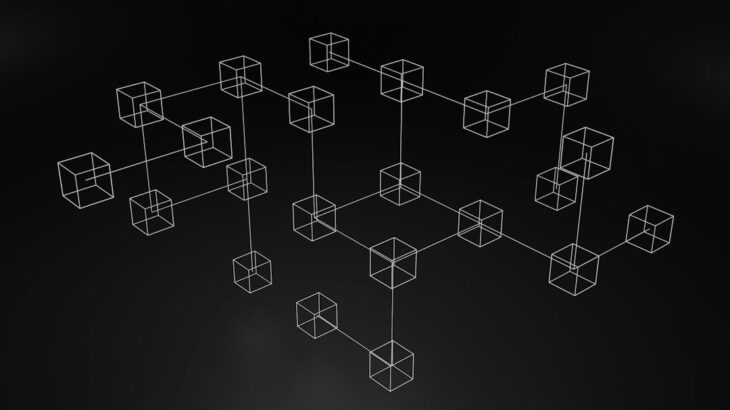
White wireframe cubes linked in a decentralized network diagram

Why Kademlia Solved the Core Dilemma of Decentralized Coordination Early peer-to-peer systems faced a difficult engineering compromise. A network could keep extensive routing information and answer lookups quickly, or it could minimize per-node state and tolerate frequent joins, departures, and failures. The first choice created maintenance and bandwidth costs. The second often produced flooding, long […]

Continue reading


Content vs Location Addressing: Why How We Find Data Decides What Stays Online

Node.js logo over a starry background, illustrating distributed technology

The Fragile Geography of the Modern Web Most web addresses identify where information is expected to be found, not what the information actually is. A URL points through a chain of infrastructure involving DNS, registrars, hosting providers, routing systems, and server-side paths. When every link in that chain remains available, the arrangement feels permanent. In […]

Continue reading


Off-Grid Connectivity: Deploying Peer-to-Peer Mesh Networks in Disaster Zones

Handheld two-way radio clipped to a black outdoor backpack

When Centralized Infrastructure Fails Ground Teams Disasters expose a basic weakness in modern communications: most everyday connectivity depends on a small number of centralized assets. Cellular towers, fiber routes, core network facilities, cloud services, and electrical substations can fail together when floods, earthquakes, wildfires, hurricanes, or conflict damage infrastructure or overwhelm demand. Even an intact […]

Continue reading


Behind the Firewall: How STUN, TURN, and ICE Make Modern P2P Connections Work

Server rack with blue network cables and red and blue status lights

Behind the Firewall How STUN TURN and ICE Make Modern P2P Connections Work The Anatomy of Modern Peer-to-Peer Connectivity Peer-to-peer communication sounds simple: two endpoints should connect directly and exchange packets. On the public internet, that assumption is usually wrong. A browser, phone, or desktop application is rarely exposed as a globally reachable socket. Instead, […]

Continue reading